Is your antivirus leaving the back door open?
In the early days of the digital age, a computer with an active antivirus program was considered secure. Today, that is not only untrue—it's dangerously false. The threat landscape has undergone a tectonic shift, evolving from hobbyist hackers to sophisticated, state-sponsored cyber criminal organizations.
The problem? Standard antivirus is reactive. It's built on a foundation of "known threats." To a modern cyber attacker, this is like trying to stop a ghost with a locked door. Today's "silent attacks" are invisible to that legacy software.
Achieving true, resilient Advanced PC Security requires a conceptual and technological upgrade. You must move from a posture of waiting to be attacked to a posture of actively searching for threats before they even detonate. This modern, superior model is known as Managed Detection and Response (MDR).
Let’s explore the massive capability gap that exists between your old antivirus and this new standard for Workstation Protection.
What is Advanced PC Security? Antivirus vs. MDR
To understand the shift, let's look at how standard software works.
The Antivirus Gap: Standard vs. Reactive Security
Your traditional antivirus software acts like a list-checker. It maintains a database of "malware signatures"—think of them as digital fingerprints of known malicious code. When a file arrives on your workstation, the software compares its "fingerprint" against its database. If there's a match, it blocks the file.
This is fine for blocking well-known threats, but it creates three fatal weaknesses:
Unknown/Zero-Day Exploits: If an attacker creates new malware with a new signature, your standard software will let it pass because it doesn't recognize the "fingerprint."
Fileless Attacks: Many modern attacks don't use a malicious file at all. They use legitimate, pre-installed administrative tools on your computer (like PowerShell) and turn them against you. Since no known malware file is present, standard antivirus is useless.
No Actionable Information: When a legacy program blocks a file, that's often where the interaction ends. It doesn't tell you how that file got there, who else might be infected, or what the attack path was. It’s like stopping one thief at the window while the rest are coming through the door.
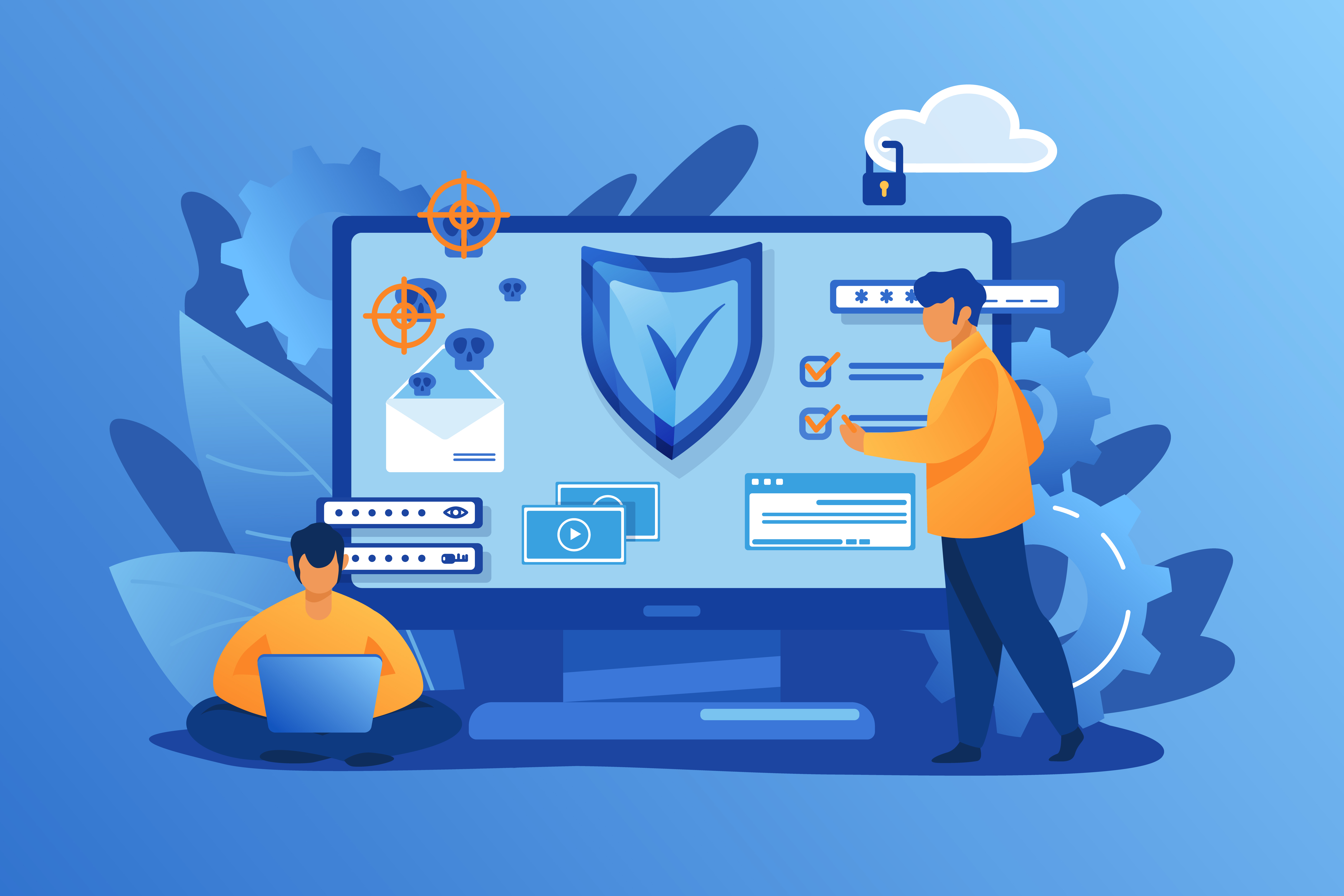
Why MDR is the New Standard for Advanced PC Security
If a standard antivirus acts like a locked door, Managed Threat Detection and Response (MDR) functions like a 24/7 security guard.
MDR represents a critical paradigm shift: from passive, reactive blocking to an actively monitored, proactive defense. It doesn't look for digital fingerprints; it looks for malicious behaviors. It focuses on "How does an attacker act?" rather than "What does the attacker’s file look like?"
Here is how an MDR-based advanced security sensor on your workstations provides a deeper, more robust layer of protection.
How it Works: The 4 Pillars of Advanced Endpoint Monitoring
The process of MDR isn’t just about having a different piece of software. It’s a combined ecosystem of technology and human expertise. When deployed, it operates on a continuous, four-pillar lifecycle:
1. Continuous Workstation Monitoring
Threats do not take holidays. An advanced security sensor is integrated directly onto your devices and constantly listens to everything happening—running processes, network traffic, and system modifications. This continuous data feed allows the system to identify abnormal activity in real-time. A legitimate program suddenly starting to behave like malware will be immediately flagged, even if it has a valid, safe file signature.
2. Proactive Threat Hunting
This is the decisive difference maker. Instead of sitting idle and waiting for a signature-match alert to trigger, MDR employs specialized analysts who are dedicated to proactive threat hunting. Using real-time and historical data from your network, these expert teams actively search for the subtle, "silent" indicators that a sophisticated attacker might have already breached your perimeter. The goal is to hunt for signs of a breach before it can detonate or spread, significantly reducing "dwell time."
3. Rapid Remediation
What happens when an advanced threat is discovered? With traditional antivirus, you would likely just get an alert days after an infection, leaving your IT team to sort out the mess. MDR provides a managed response capability with definitive rapid remediation protocols. If a confirmed threat is detected, the protocol can automatically and immediately execute to isolate the affected device from the network. This "sandbox" technique prevents lateral movement (the attack spreading to other computers or servers) and allows the danger to be neutralized by remote expert analysts without needing your local IT staff to be present.
4. Complete Visibility
One of the greatest fears for a CIO is "what they don't know." Attacks often go unnoticed for months. An MDR-powered security strategy delivers complete visibility over your entire endpoint environment through a single, centralized dashboard. You get a clear, unified view of the security status of all your connected devices. This ensures that no suspicious movement—however small or subtle—goes unnoticed or undocumented. Comprehensive reporting on security events, data trails, and incident responses is available at all times.
The Ultimate Benefit: Why Advanced PC Security Matters
Investing in this type of protection isn't just about avoiding a "cyber headache." It’s about ensuring business continuity and maintaining trust.
Deeper Layer of Protection: You are no longer solely dependent on known signatures. MDR's behavioral-based detection can stop fileless attacks, zero-day exploits, and sophisticated human-operated cyberattacks that traditional software always misses.
Reduced Operational Cost: Trying to hire your own in-house 24/7 Security Operations Center (SOC) is financially impossible for most businesses. An MDR service gives you access to a dedicated team of world-class experts and top-tier security tools for a fraction of the cost.
Compliance and Risk Reduction: For many industries (especially healthcare, finance, and legal), having an active, monitored threat-hunting capability is a requirement for regulatory compliance (like HIPAA, GDPR, or CMMC). Failing to provide a proper "standard of care" during a data breach can result in massive fines and reputation-destroying lawsuits.
Expert Human Intervention: Your internal IT team is focused on helping employees with their problems; they are not focused on battling nation-state hackers. MDR provides that dedicated expert layer that knows how to find, analyze, and defeat complex threats, giving you the peace of mind to focus on your actual business goals.
It's Time for a Reality Check
If your business is still relying on the same reactive antivirus software it used five years ago, you are exposed.
The shift to Advanced PC Security via Managed Threat Detection and Response (MDR) is not an option; it's a mandatory strategic move. It is the critical shift from being a passive target to an actively defended enterprise. By integrating an advanced security sensor onto every workstation and layering in 24/7 human-led threat hunting, you can move away from reactive, panicked responses to a model of resilient, confident growth.
Protect your business. Protect your users. It's time to upgrade your digital armor.
Interested to learn more about Advanced PC Security? Click here: https://heartfeltit.com/itconcierge